
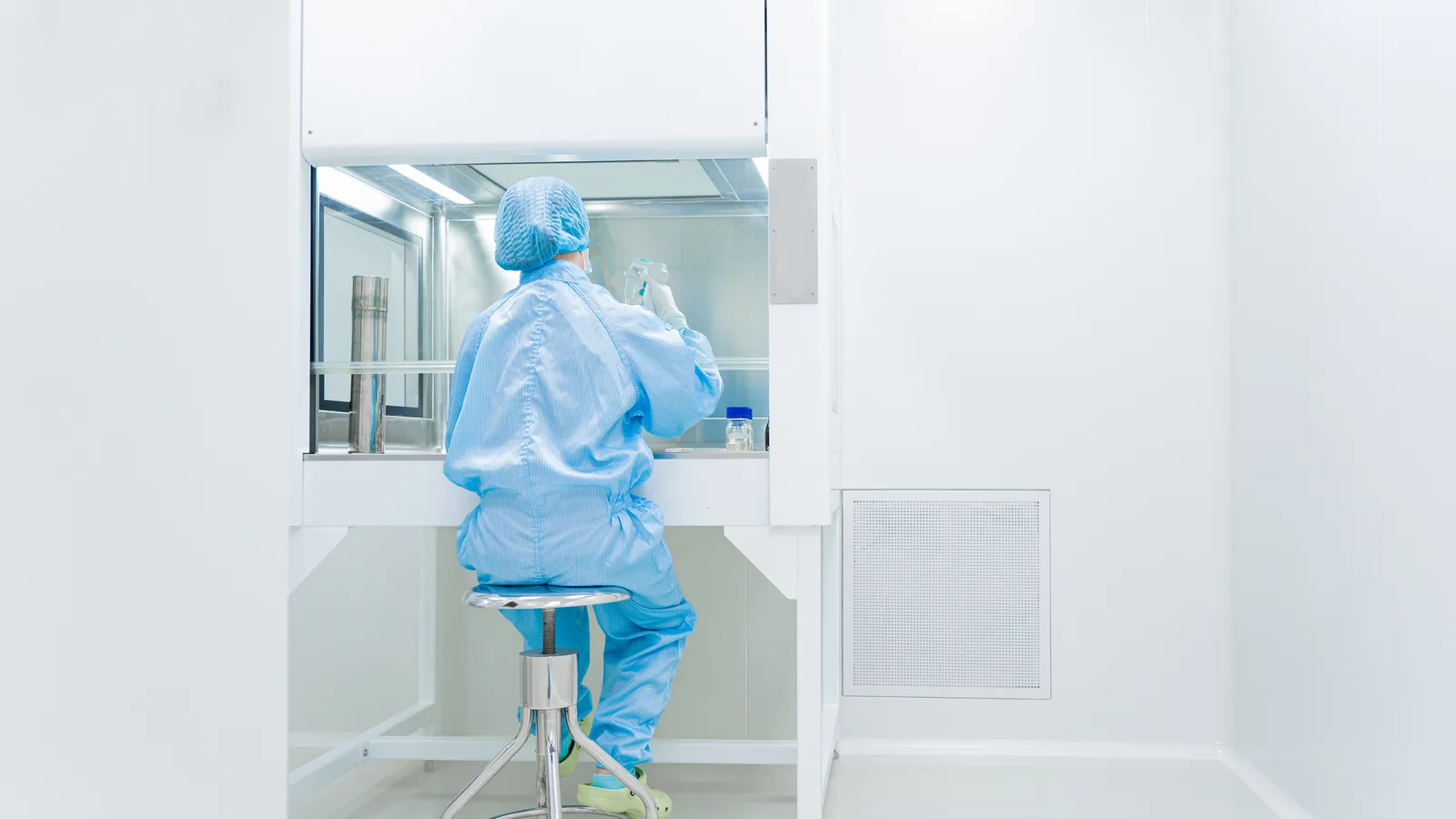
Cleveland Clinic Weston Hospital has become the first hospital in Florida to prepare chemotherapy with the Loccioni APOTECAchemo robotic compounding system. The robot works in the pharmacy of the hospital's Egil and Pauline Braathen Center and Maroone Cancer Center, and the staff have given it a name: Cathey.
What the robot does
Chemotherapy drugs are mixed for each patient, dose by dose, in a sterile clean room. It is exacting, repetitive work, and the drugs themselves are hazardous to the people handling them. The new system takes over several of the most delicate steps. It weighs drugs and the liquids they are mixed with, handles the vials, dissolves powdered medications, draws up each dose, prepares the final bag or syringe and records every step electronically.
The key safety feature is something called gravimetric verification. In plain terms, the robot weighs what goes in at each stage to confirm the right amount of medicine and the right amount of diluent were used. That check goes beyond what a person can confirm by eye, and it guards against both underdosing and overdosing. Barcode checks confirm the right drug, and the electronic record leaves a clear trail for every preparation.
Shorter waits in the infusion chairs
For patients, the benefit that matters most is time. Dr. Zeina Nahleh, who leads hematology and oncology for Cleveland Clinic in Florida and is medical director of the Maroone Cancer Center, has said that since the robot started working in Weston, the cancer center has already seen wait times for patients go down, one of the team's main goals. For anyone who has sat in an infusion chair waiting for a bag to arrive from the pharmacy, that is not a small thing.
The robot also changes the job for the pharmacy team. Pharmacy manager Jay Patel has described the long, physically demanding stretches technicians spend compounding in the clean room, and the robot now carries some of that load inside a closed, controlled environment, which limits staff exposure to hazardous drugs during the riskiest steps.
A carousel that does the stirring
One small example shows how it works. When a powdered drug has to be mixed with liquid, a technician often has to stir the vial by hand until it fully dissolves. The robot has a rotating carousel that turns the vial in a circle and spins it in several directions at once until the powder is gone. Some preparations take about as long as they would by hand; the difference, the hospital says, is that the robot is consistently precise every time.
The hospital is clear that this is a teammate, not a replacement. Technicians and pharmacists still oversee every preparation, and some medications are still compounded by staff using the same safety platform and checks. The aim is to let people spend more time on clinical oversight, quality checks and patient care.
Why it is called Cathey
The robot's name honors a philanthropist whose donation helped pay for improvements to the chemotherapy infusion area at the Weston hospital. It is a reminder that a lot of what changes in a local cancer center starts with someone in the community writing a check.
What it means for patients in western Broward
Weston, Davie, Southwest Ranches and the surrounding neighborhoods now have a first-in-the-state piece of cancer care equipment close to home. If you or someone in your family receives infusions at the Maroone Cancer Center, nothing changes about how you book or arrive; the difference happens behind the pharmacy door, in the precision of each dose and, the hospital hopes, in less time spent waiting for it. Questions about treatment should go to your oncology team at Cleveland Clinic in Florida.
Loading comments…