
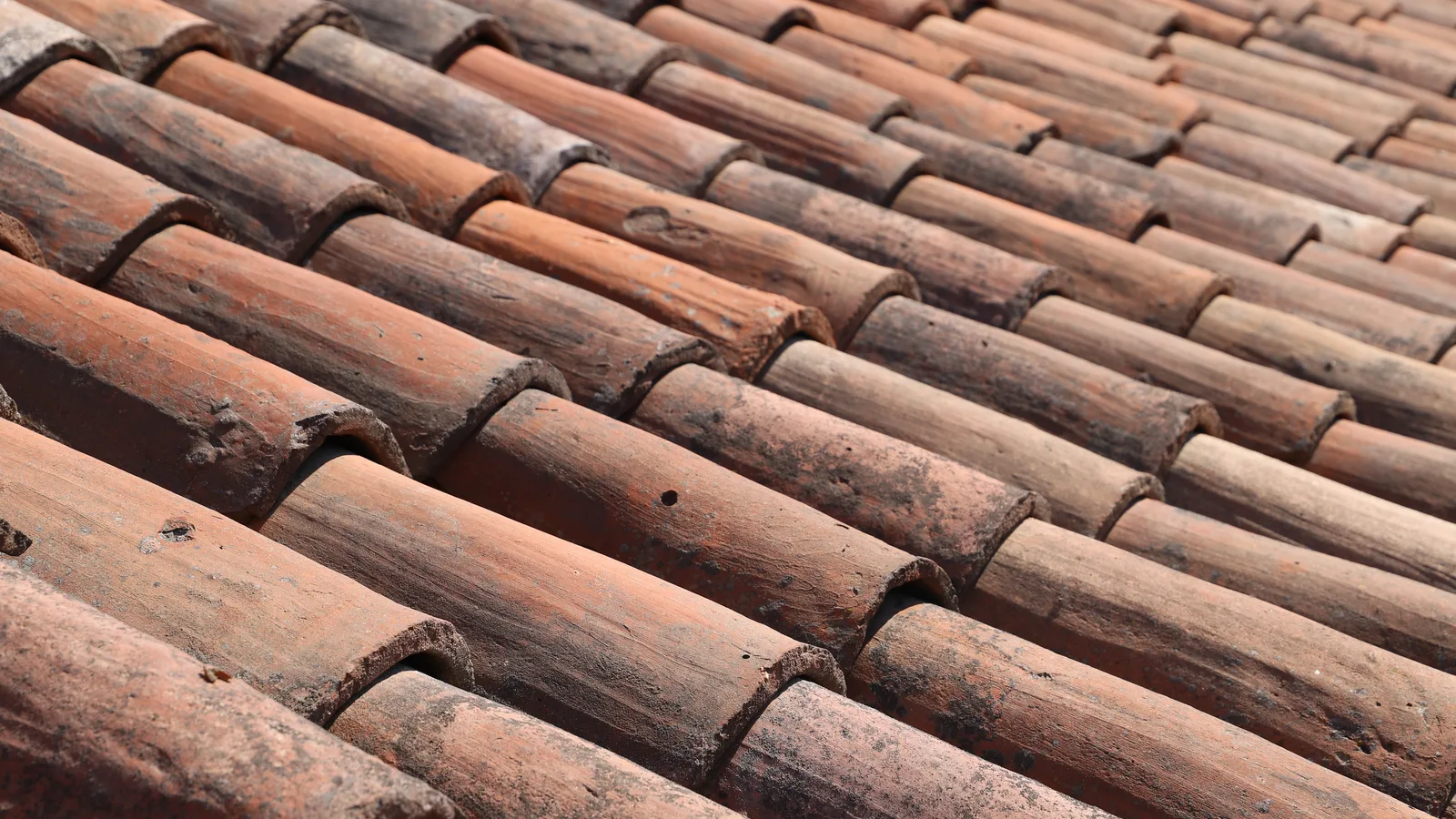
The clay barrel tiles that have topped Charles Deering's Stone House in Palmetto Bay since 1922 are coming off the roof. Each tile was shaped by hand in a Cuban workshop, fired in a kiln and shipped by steamship from Havana to Miami. The Deering Estate says the tiles are being removed, documented and preserved so they can go on display in the museum, part of a full restoration of the 13,900-square-foot house on Biscayne Bay.
The Stone House has been closed to visitors since April 28, 2025, while the work is prepared and carried out. The rest of the estate, from the mangrove boardwalk to the Richmond Cottage, stays open every day, and the Deering Estate has moved its museum stories next door while the main house is under restoration.
Why the tiles came from Cuba
South Florida had no clay deposits suited to roof tile when the Stone House went up, according to the estate. Builders chasing the Mediterranean Revival look of the Florida land boom bought handmade terracotta barrel tile from Cuban artisans instead, and the crates crossed the Florida Straits by steamship. The estate presents the roof as a record of how closely Havana and Miami were tied in trade and craft a century ago.
Once the tiles are cataloged, they leave the roof for good and enter the collection. The house gets a new roof as part of the project, and the originals are being kept so the public can see them up close.
A fortress built in eleven months
Deering signed the construction agreement on June 13, 1922, with the firm Sandquist & Snow, Inc., working under architect Phineas E. Paist. He wanted a fire-resistant home for his collection of art and antiques, and a house that would remind him of his properties near Barcelona. The design was meant to read as a centuries-old Spanish fortress: a square mass of stone, arches and columns.
The walls are reinforced concrete 18 and 24 inches thick, faced with limestone veneer cut to look like the rough stone of Tamarit, one of Deering's residences in Spain. Antique wrought iron grilles cover the windows, and the arcades are lined with hand-carved Romanesque columns whose capitals show plants, animals and Deering family emblems. Construction took about eleven months, running from 1922 into early 1923.
Paist is the thread that connects the Stone House to two other South Florida names. In 1916 he worked as an associate architect to Paul Chalfin on Villa Vizcaya, the Miami home of James Deering. In 1923 George Merrick named him Supervisor of Color for the Coral Gables Corporation, and Paist set up the design review process for every building in the city, the system known today as the Coral Gables Board of Architects. The estate's daily museum tour now points out how the Stone House shaped the look Paist later brought to Coral Gables.
What the restoration covers
The scope is the entire building, inside and out. The estate lists restoration of all interior and exterior architectural and structural elements, a new roof, repair of every door, window, shutter and screen, a new air-conditioning unit on the third floor, and repairs to the electrical and HVAC systems.
The project team is R.J. Heisenbottle Architects and HB Construction, working with the Miami-Dade County Parks, Recreation and Open Spaces Department and the Miami-Dade County Office of Historic Preservation. Before any work began, staff cataloged the house's collection, packed pieces into custom-built crates for storage and wrapped the staircase banisters in protective plastic.
The estate has not posted a reopening date for the Stone House. The 100 Ladies of Deering has released a short film on the first chapter of the project, Restoring a Legacy, Stone House at Deering, Chapter 1: The Vision and Preparation, by Jorge Graupera Films, which covers the planning and funding behind the work. It is linked from the estate's restoration page.
Seeing it now
The Deering Estate is running a series of exhibitions called Stone House Next Door inside the Richmond Cottage, next door, built around the Stone House's architecture and the Deering family's history. The guided museum tour runs every day at 11:30 a.m. It covers the exterior of the Stone House and the interior of the Richmond Cottage, meets on the cottage's front porch, fills first come, first served, and costs nothing beyond admission. A separate guided walk through the estate's natural areas runs daily at 12:30 p.m. from October through May.
The estate's Historic Ghost Tours have also moved into the Richmond Cottage this season, since the Stone House is closed. The October 20 and October 22 tours are sold out. Two dates remain, October 27 and October 29, from 7:30 to 9:30 p.m., at $45 per person, for ages 9 and up, with a 10 percent discount for Deering Estate Foundation members.
How to go
The Deering Estate is at 16701 SW 72nd Ave. in Palmetto Bay. It is open daily from 10 a.m. to 5 p.m. except Thanksgiving and Christmas, with the last admission at 4 p.m. General admission is $18 for adults 15 and older, $16 for seniors 62 and older, active-duty military and honorably discharged veterans with ID, $10 for ages 4 to 14, and free for children 3 and under and for Foundation members. Parking is free. Tickets are sold online through Miami-Dade County's Park Link system. Next on the calendar after Halloween: the 14th annual Vintage Auto Show on Sunday, November 15, and the Tides & Tidings holiday decor in the historic houses from November 27 to January 6.
Loading comments…