
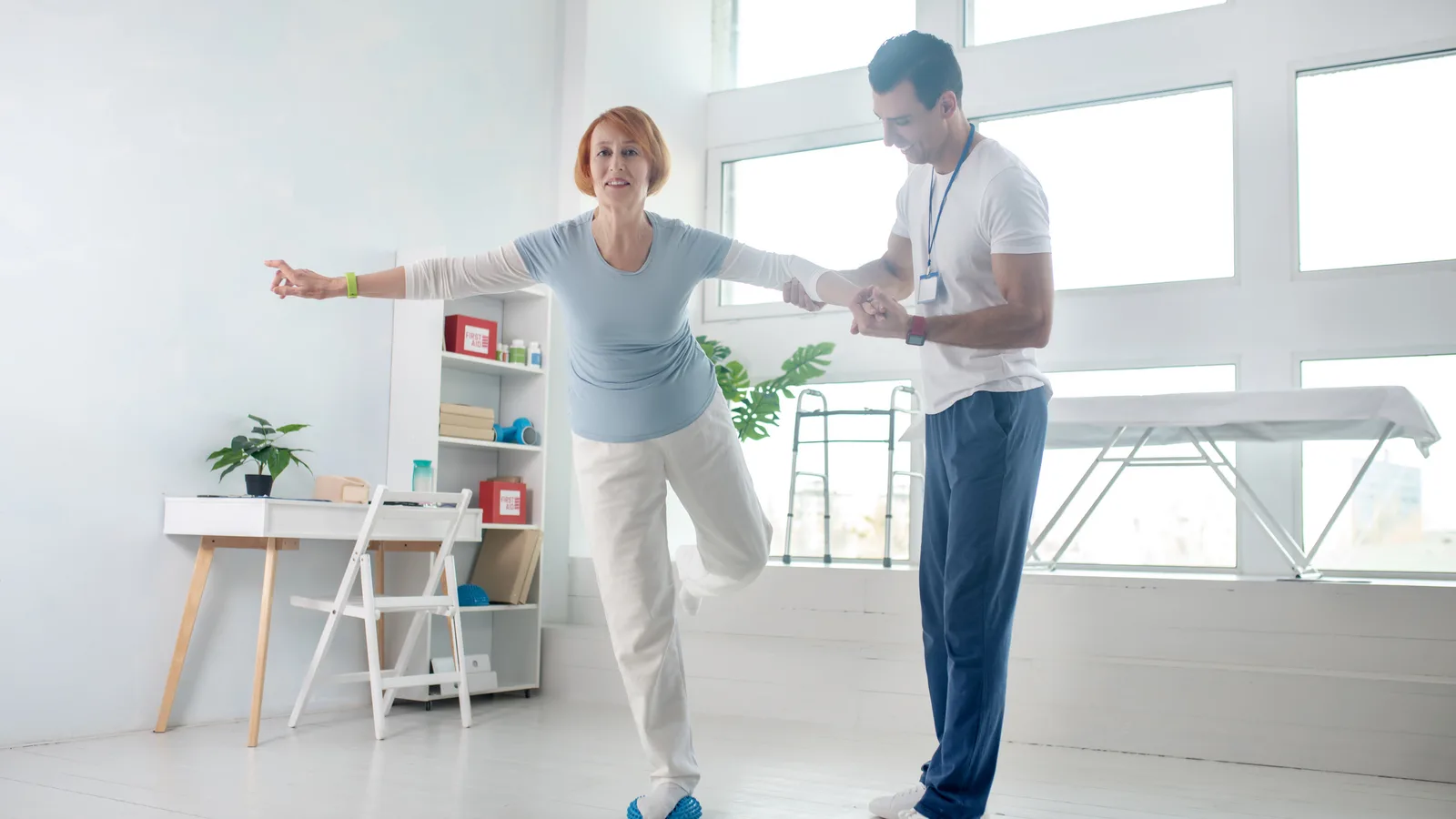
Falls are a leading cause of injury for older adults, and this month Pembroke Pines residents can find out their risk for free. Physical therapists from Nova Southeastern University will run walk-in balance screenings at the Southwest Focal Point Community Center, 301 NW 103 Avenue, on three Mondays in October: Oct. 5, 12 and 19, from 9 a.m. to 1 p.m. No appointment is needed.
What happens at a screening
The checkup is short, practical and hands-on. Each visit includes:
- A blood pressure check
- A standing and walking balance test
- A leg strength test
- A home safety checklist
- Fall prevention information to take home
None of it requires special clothing or preparation, though comfortable shoes you can walk in will help. The goal is to spot weak links, such as unsteady footing, low leg strength or a rug and a dark hallway at home, before they turn into an injury.
Because the screenings are run by physical therapists, you get more than a number. Expect a quick conversation about what the tests showed and what, if anything, to work on. Families are welcome to come along and hear the advice firsthand, which makes it easier to help at home later.
Who should go
The screenings are aimed at older adults, people with mobility problems, and anyone with a medical condition that affects movement or balance,. They are also a good excuse for adult children to bring a parent who has had a near miss on the stairs or who has started holding the wall.
You do not need to have fallen to benefit. Plenty of people who come to screenings like this are simply noticing that stairs feel harder, that they reach for furniture when they walk across a room, or that they have stopped going places because they worry about tripping. Those are exactly the signs worth checking, and finding out early leaves more room to do something about them.
Why balance is worth checking
Balance and leg strength fade quietly, and most people do not notice until something goes wrong. The good news, and the reason screenings like this exist, is that much of it can be rebuilt. A physical therapist can tell you whether simple strength and balance exercises, a change in footwear or a few changes around the house would lower your risk, and whether it is worth following up with your doctor.
Easy changes that help
Many of the fixes a screening points to are simple. Physical therapists commonly suggest regular strength and balance exercises, such as standing from a chair without using your hands or practicing a steady heel-to-toe walk with support nearby. At home, the usual culprits are loose rugs, clutter on the floor, poor lighting on the way to the bathroom at night, and the lack of grab bars in the shower. The home safety checklist handed out at the screening is designed to help you walk through your own house with fresh eyes, and it is worth doing with a family member.
Blood pressure matters here too. A drop in blood pressure when standing up quickly can cause dizziness, and some medications can affect balance, so a screening is a good prompt to bring questions to your doctor about anything that leaves you lightheaded.
How to go
Just show up at 301 NW 103 Avenue between 9 a.m. and 1 p.m. on Oct. 5, 12 or 19. There is no cost and no sign-up. Questions can go to NSU physical therapist Kimberly Smith at 954-268-4770. If you cannot make the first Monday, two more chances follow on Oct. 12 and Oct. 19. It is worth bringing a friend or a neighbor who lives alone: a quick check now is a lot easier than recovering from a fall later.
Loading comments…