












Most visitors to the red lighthouse at the Jupiter Inlet come for the climb. Around it sits something rarer: 120 acres of federal land managed by the U.S. Bureau of Land Management.
The Jupiter Inlet Lighthouse Outstanding Natural Area covers the ground where the Indian River Lagoon meets the Loxahatchee River. The BLM published a field guide to its wildlife on Nov. 24,, listing what lives there.
Manatees, rays and sea stars
The natural area is the only BLM site in the country where manatees are regularly spotted, according to the agency. A single manatee can eat close to 1,000 pounds of vegetation in a day. The estuary waters also hold moon jellyfish and box jellyfish, schools of fish, Atlantic sand fiddler crabs, spotted eagle rays and nine-armed sea stars.
Bobcats and tortoises on land
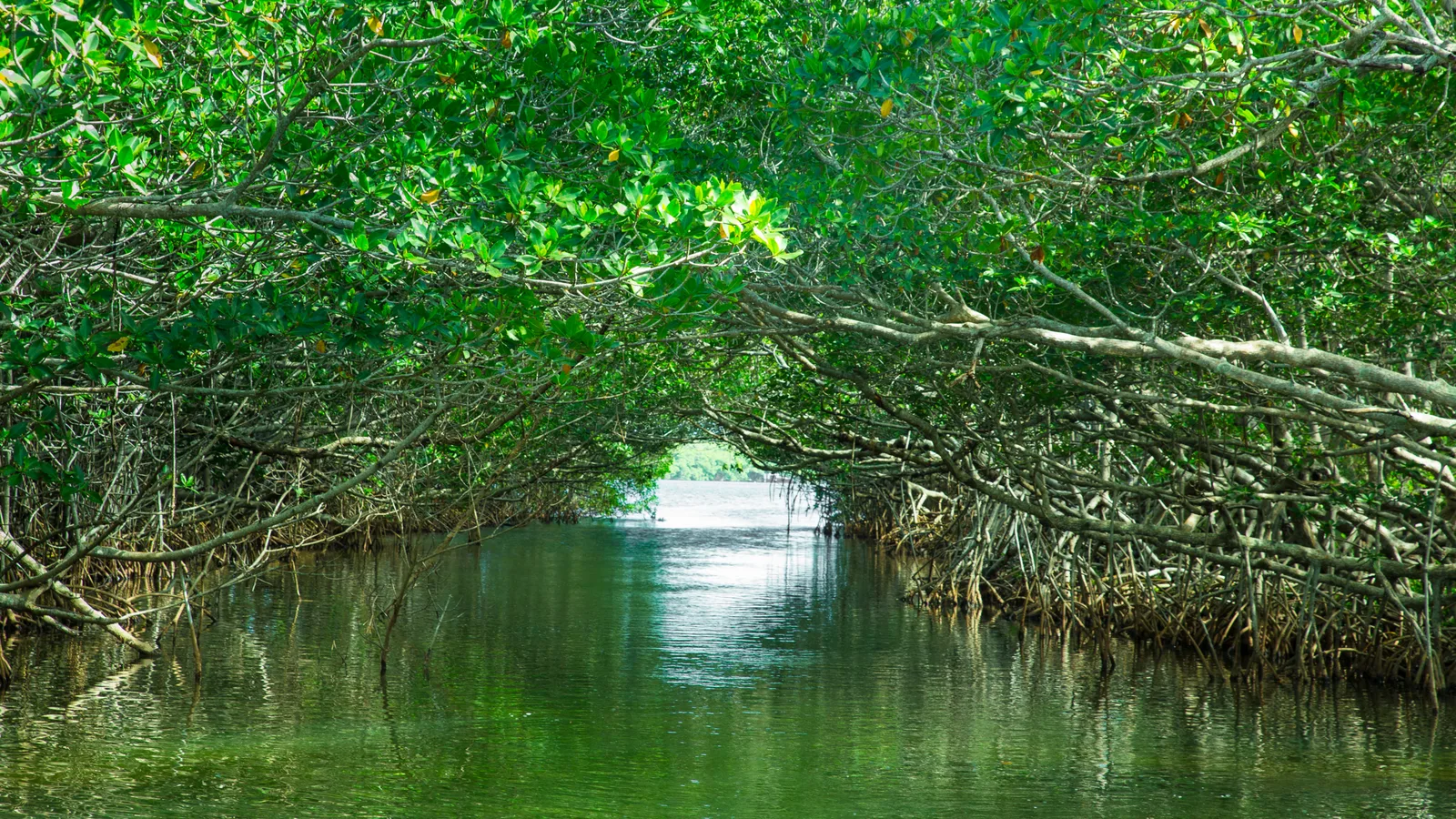
The uplands are a mix of mangrove forest, tropical hammock, sandy scrub and wetland. Gopher tortoises, green anoles and corn snakes live there, and trail cameras set up on the property have recorded bobcats.
Birders know the site from the Great Florida Birding and Wildlife Trail, which includes it. Great egrets, white ibis, yellow-crowned night herons, brown pelicans and osprey are all seen there. Among the insects are Io moths, rhinoceros beetles and the Atala butterfly, a butterfly whose return the BLM ties to native plants restored on the site.
Ten thousand mangroves
Volunteers and conservation crews have planted more than 10,000 red mangroves along the shoreline to hold the bank, improve water quality and give young fish cover. Volunteers, interns and partner groups also pull invasive plants, put in native ones and keep the trails open.
How to see it
The nature trails are reached through the Jupiter Inlet Lighthouse and Museum at 500 Captain Armour's Way, in Lighthouse Park off U.S. 1 and Alternate A1A. The site is open Tuesday through Sunday from 10 a.m. to 4 p.m. and closed Mondays, plus Thanksgiving Day, Dec. 24 and Dec. 25. Admission, which includes the tower climb and exhibits, is $15 for adults, $12 for seniors 60 and older and veterans, and $8 for ages 6 to 18; children 5 and under, members and active military with ID are free, and U.S. veterans are free through November. Parking is free.
The museum suggests planning two to three hours for the grounds and trails. Pets are not allowed, the trail surfaces are uneven, and visitors are asked not to feed any wildlife.
Loading comments…