
A new film festival starts tonight on the University of Miami campus in Coral Gables, and it is one South Florida has never had before. The inaugural Miccosukee Indigenous Film Festival runs Friday, October 9, through Monday, October 12, at the Bill Cosford Cinema, with 22 films made by, starring or centered on Indigenous people from across the Americas and beyond. Tickets are still on sale for single screening blocks, single days or the whole run.
The festival carries the name of the Miccosukee Tribe of Indians of Florida, whose land along the Tamiami Trail is a short drive west of the city. It is staged by a Florida nonprofit set up to support Indigenous filmmakers, and it is presented with the Iron Arrow Honor Society, the university's oldest and highest honor society, which was founded in 1926 alongside the school and is marking its hundredth year this season.
What is on the screen
The festival says its 22 selections add up to more than ten hours of cinema, picked from international submissions. Most come from the United States and Canada, with work from Australia and two co-productions: one from Chile, Ecuador and Germany, and one from the Netherlands and the Sakha Republic in Siberia. To qualify, a film had to be made by members of an Indigenous community, cast Indigenous actors in the lead roles, or directly portray Native and Indigenous cultures. Visiting filmmakers are scheduled to take questions after screening blocks.
Opening night belongs to Nunkui, a feature about a girl in a Shuar community in the Amazon who learns songs and farming from her aunt just as mining companies arrive and families start losing their homes. It is the kind of film that rarely lands on a Miami screen at all, let alone with its makers in the room.
Saturday is built in three blocks, at 3, 5:30 and 8 p.m. The afternoon leans documentary, including The Long Walk: A Dance With Humanities, about six runners who covered 330 miles in four days to honor survivors of the Navajo Long Walk, and Kokum Dorothy's Story, in which a Saddle Lake elder recounts being sent to residential school at five. The early evening is a run of shorts, from a reservation odyssey about collecting bottle money (Taxi the Empties) to Moonbound: An Ancestral Passage, about a New York born astronaut picked for the first permanent colony on the Moon. The night closes with When Fire Turns to Ash, an essay film about Tierra del Fuego and the peoples who lived there.
Sunday keeps the same three time slots. Look for Ice, Stone, Spirit: Uncovering the Stories of Yellowstone's First People; Raised by the Canoe, about a family canoe club from the Sts'ailes First Nation; and South to Freedom, a short that has particular weight here, since it is about Spanish Florida as a refuge for people escaping slavery. The 8 p.m. slot is BreakPoint: The Untold Story of the Constitution Express, which follows the thousands of First Nations people who rode trains roughly 5,000 kilometers to Ottawa in 1980 to fight the removal of Indigenous rights from Canada's constitution.
A morning in the Everglades
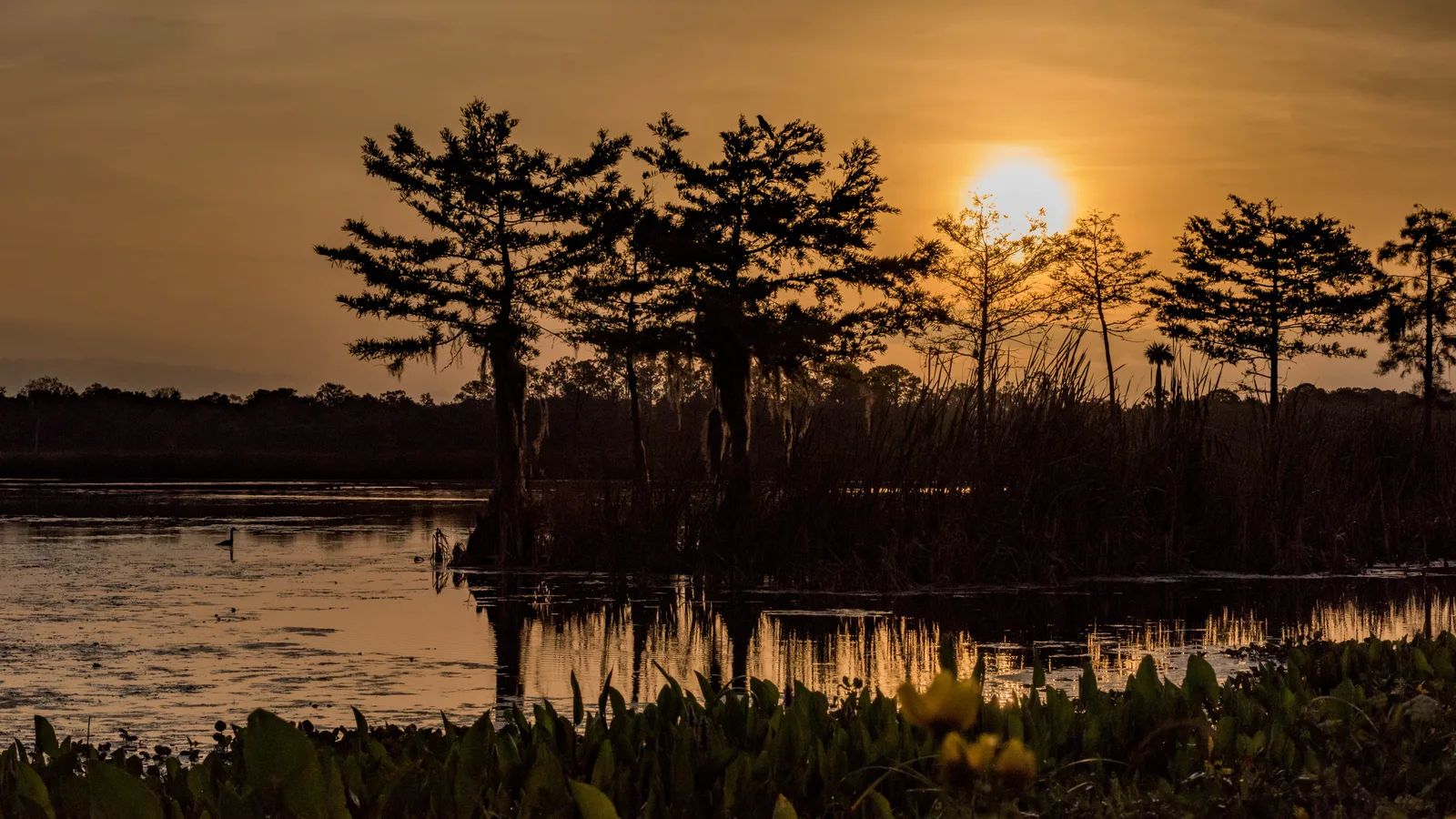
The detail that sets this festival apart from a typical weekend of screenings is Saturday morning. A group trip leaves the Cosford Cinema parking area at 8 a.m. for the Miccosukee Indian Village out on US 41, roughly an hour away. The festival lists village tours, cultural demonstrations and an alligator show from about 9 a.m. to noon, with airboat rides available at an extra charge, and the group is due back on campus around 1 p.m., in time for the afternoon films. For a lot of Gables residents who have driven past the village on the way to Naples for years, this is a chance to stop, with context.
Closing night: Buffalo Tiger's story
Monday ends with a special screening, outside the competition, of Becoming Buffalo, a film by Montana Cypress about the Miccosukee Tribe's path to sovereignty and the leadership of Buffalo Tiger. It is a local story most residents know only in outline, told from inside the tribe. The festival awards ceremony follows the screening.
Getting there and getting in
- Where: Bill Cosford Cinema, Memorial Building, 5030 Brunson Drive, on the University of Miami's Coral Gables campus.
- When: Opening night Friday, October 9; three blocks each on Saturday and Sunday at 3, 5:30 and 8 p.m.; closing night Monday, October 12. The festival notes its schedule can shift, so check the films and schedule page before heading out.
- Tickets: Single blocks, day passes and full festival passes, sold through the festival's Eventbrite page, where prices run from about $9 to about $93 depending on the ticket. Sales are final.
Why it matters here
Miami-Dade has no shortage of film festivals, but none has been built around the people whose homeland surrounds it. The Miccosukee are not a historical footnote in this county; their villages, schools and businesses sit along the Tamiami Trail today, and the Everglades the tribe calls home is the same water system that feeds the taps in Coral Gables. A festival that puts Indigenous filmmakers from the Amazon, the Canadian prairies and Siberia in the same room as their Miccosukee hosts, a few blocks from Ponce de Leon Boulevard, is a new kind of weekend for the city. If the first edition fills the Cosford, the organizers have a reason to make it an annual one, and Coral Gables gets a fall tradition with real roots.
Loading comments…