
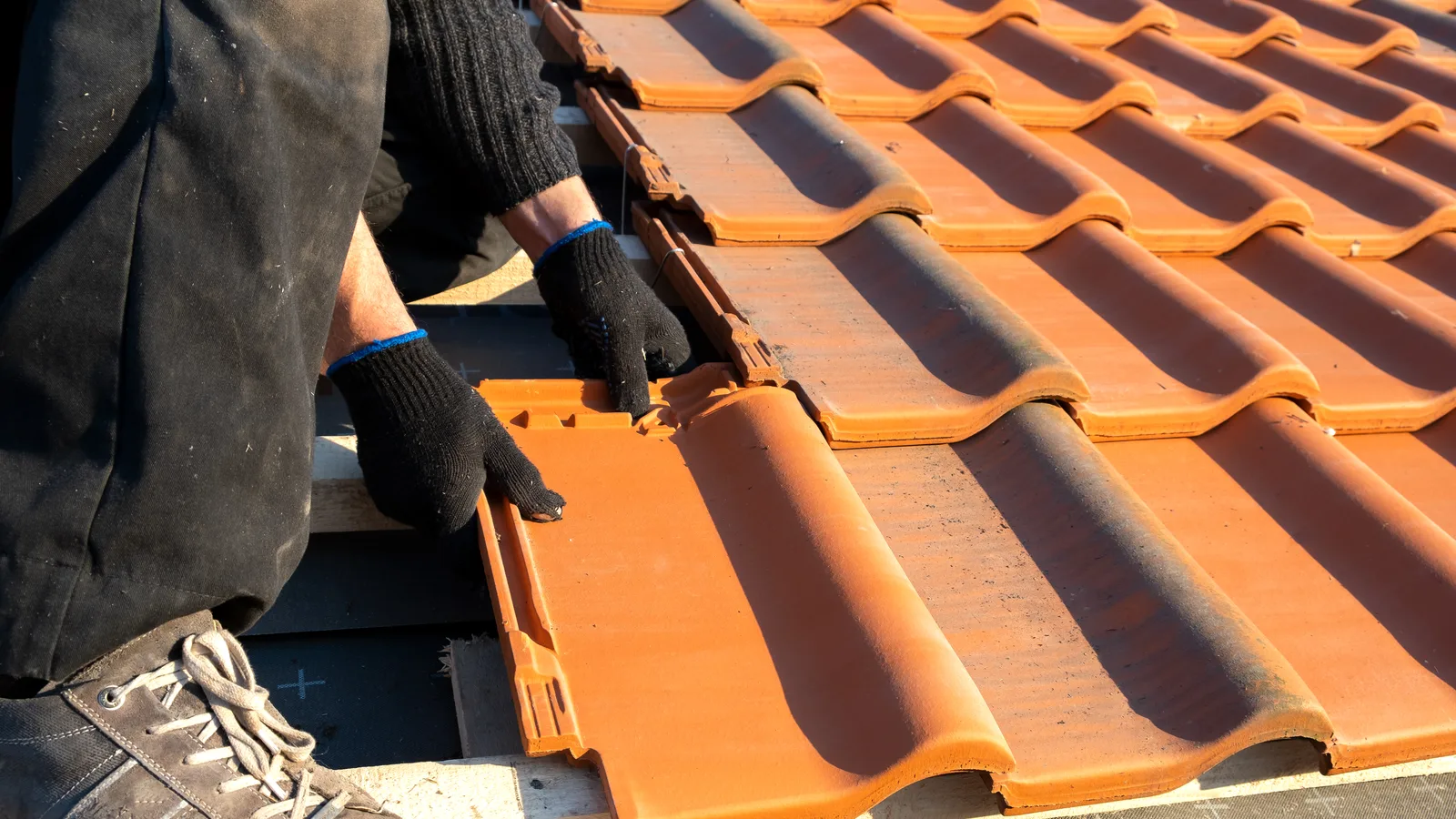
A North Miami homeowner with a leaking roof, failing wiring or an air conditioner on its last legs could get up to $60,000 in repairs paid for by the city, and the window to get in line closes at the end of this month. The City of North Miami opened sign-ups for its 2026-2027 Owner-Occupied Rehabilitation Program on Oct. 1, and its announcement gives Oct. 30 as the last day.
The money does not have to be paid back as long as you stay in the house. That is the part most people do not realize about this program, and it is why it is worth a few minutes of a neighbor's attention.
What the city will fix
The program is run by the city's Housing and Social Services Department and is aimed at repairs that affect a household's health and safety, not looks. The city groups eligible work into three buckets. The first is safety and code repairs: roofs, electrical updates and plumbing. The second is energy efficiency, which covers windows, doors, insulation and air conditioning, a meaningful list anywhere an old AC unit runs most of the year. The third is accessibility, such as grab bars and railings for an older homeowner who wants to stay put.
What it will not pay for is just as clearly spelled out. Cosmetic and luxury upgrades are out, along with additions, garage or porch conversions, sheds and detached garages, furniture, pools and landscaping. The work is done by contractors on the city's own list, not by a contractor you pick yourself.
How the money works
The help comes as a deferred, zero percent interest loan that is forgiven over time. As long as you keep the title and the house stays your primary residence through the required occupancy period, you never make a payment and the balance goes away. The forgiveness is tied to staying, so anyone planning to sell in the next few years should read the fine print before signing up.
There is also a short homework requirement. Homeowners chosen for the program have to finish a city-backed home maintenance counseling course before their project is completed.
Who qualifies
The program is for owner-occupied homes inside North Miami city limits: single-family houses, duplexes and condominiums used entirely as residences. The home has to carry a homestead exemption, property taxes have to be current, it cannot be bank-owned, and it has to be in genuinely poor condition. This is a repair program, not a renovation fund.
Household income is capped at 80 percent of the area median, using the federal limits the city publishes for this fiscal year. On the city's chart, that works out to $76,300 for a single person, $87,200 for a couple, $98,100 for a household of three and $109,000 for a family of four, rising to $143,900 for a household of eight. Those ceilings are higher than many residents expect, which means a retired couple on a fixed income or a working family with two modest paychecks may well fall under them.
How to get in
The forms can be downloaded from the program page on the city's website, NorthMiamiFL.gov, or picked up in person weekdays from 9 a.m. to 4 p.m. at the Housing and Social Services Department, 12300 NE 8th Avenue. The department can be reached at 305-893-6511, extension 20000, or by email at [email protected], and it will make accommodations for residents with special needs who need help completing the forms. The city's program page lists sign-ups running through Oct. 31, while its announcement says Oct. 30, so the safe move is to have everything in by Friday, Oct. 30.
Not everyone who signs up will be chosen. Residents who pre-qualify go into a lottery drawing, which the city will stream live, and you do not need to attend to be in it. The date of the drawing has not been announced yet.
Why it is worth the trip to NE 8th Avenue
North Miami is marking its centennial this year, and plenty of homes here have been standing for decades. For a homeowner staring at a five-figure roof quote, a program that can cover up to three times that, with nothing to repay if you stay, is about as good as municipal news gets.
If that describes your house, or your parents' house, the job this week is simple: pull the property tax bill, gather proof of household income, and get the forms in before the month runs out.
Loading comments…