
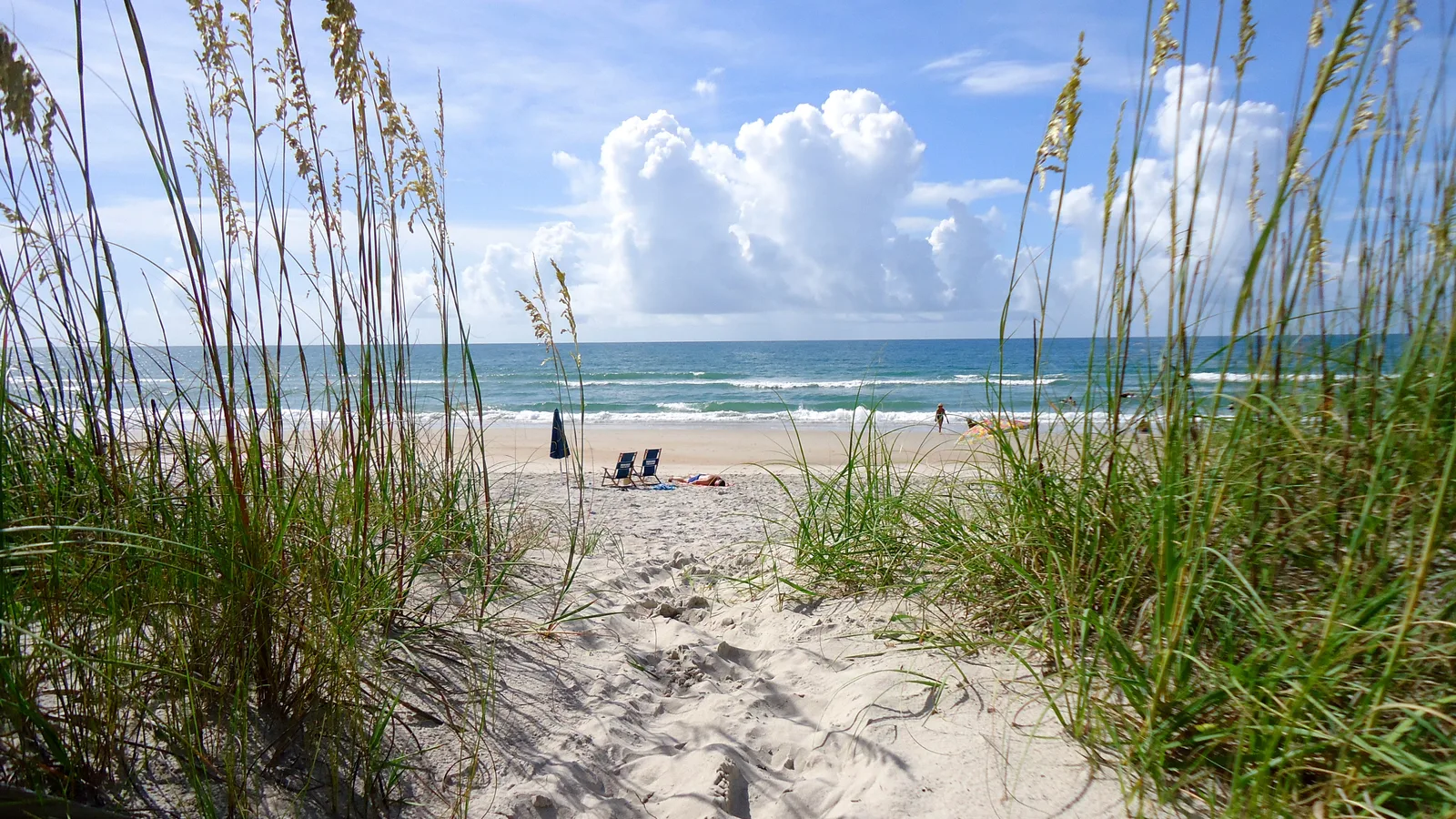
Phipps Ocean Park, the public oceanfront park on South Ocean Boulevard that has been closed for a top to bottom rebuild since May 1, is in the home stretch. The Town of Palm Beach's current construction timeline keeps the park closed through November 18, 2026, which puts the reopening of the beach and the rest of the grounds about five weeks away.
When the gates open, the park at 2185 South Ocean Boulevard will look very different from the one residents remember. The project, paid for and led by the Preservation Foundation of Palm Beach in partnership with the town, which owns the land, is a roughly $30 million remake of a park the Phipps family gave to the public in 1948.
A park that runs from ocean to lake
What makes Phipps unusual on an island of private shoreline is its shape. According to the Preservation Foundation, the park stretches from the Atlantic all the way to the Intracoastal Waterway and includes about 1,200 feet of beachfront. The foundation's stated goal is to return the place to what the Phipps family intended in the first place: a beach and park for everyone, not just a parking lot with sand at the end of it.
The foundation has been frank that the park was long underused. The redesign is its answer, and the list of changes is long.
What is new
The town's project page lays out the main pieces:
Native landscape. Much of the park is being replanted with species that historically grew on the barrier island. The point is ecological as much as visual: native dune plants hold sand and stand up to storms far better than lawn and ornamentals.
A Coastal Restoration Center. This is a nursery for propagating native plants, which the foundation plans to use to grow stock for healthy dunes inside the park and elsewhere in town.
Space for kids. An outdoor classroom, a schoolyard garden and a new playground are part of the plan.
Beach basics, upgraded. New beach pavilions, lifeguard towers and bathrooms, plus walking paths with educational stops along the way.
Courts. The tennis center was rebuilt in the first phase and gained two pickleball courts. It already reopened, along with its parking area, last fall, and courts can be reserved through the town Recreation Department's online booking portal. Until the full park opens, that racquet center is the only part of Phipps the public can use, and the south end and beach access stay closed.
The schoolhouse that moved
The piece of this project with the most history attached is the Little Red Schoolhouse. The foundation calls it Southeast Florida's first schoolhouse and the oldest landmark in Palm Beach. Its first school day was in 1886, its first teacher was Hattie Gale, and since the foundation restored it in 1990 it has hosted a living history program in which fourth graders spend a day as 1890s students, practicing Spencerian handwriting, reading from McGuffey's Readers, holding spelling bees and playing period games at recess.
The trouble was its spot. The little building flooded too often, so as part of the rebuild it has been relocated to higher ground near the dune and given a full refurbishment. It now sits beside the new Coastal Restoration Center, so the oldest thing in the park and the newest share a corner. The town has posted video of the move on its project page, and the foundation runs a live construction camera if you want to watch the final weeks unfold.
A note on the date
The November 18 date comes from the town's estimated construction schedule, and the foundation's own page still speaks more loosely of November 2026. Treat it as the target rather than a promise, and check the town's project page before you pack the car. The foundation has said it plans a grand opening celebration for residents when the work is done.
Why it matters
Palm Beach has very little public oceanfront, and Phipps is the biggest stretch of it. When it reopens, residents get back a full beach with lifeguards, shade and bathrooms, plus a park designed to be walked, studied and played in rather than just driven through. Families with fourth graders get the schoolhouse back on solid footing, and anyone who has watched the dunes take a beating in recent storm seasons gets a working example of how a native shoreline is supposed to look. Mark the week before Thanksgiving: if the schedule holds, that is when the south end of the island gets its beach back.
Loading comments…