
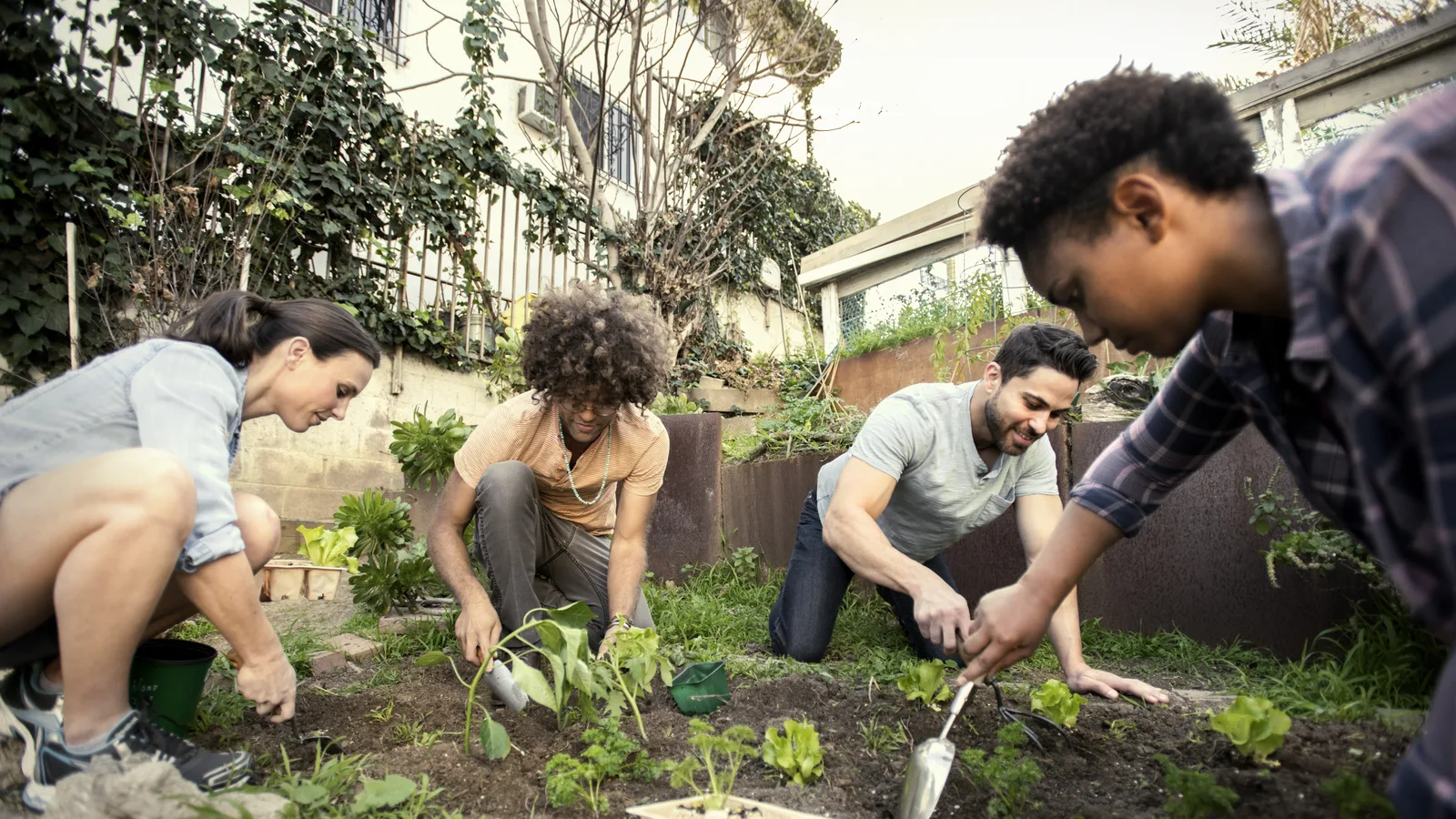
Deerfield Beach has been picked for Love Your Block, a national program run by the Bloomberg Center for Public Innovation at Johns Hopkins University, and the city will get $70,000 plus a dedicated staffer to turn neighbors' own ideas into cleaned-up lots and reclaimed public spaces. The city announced the selection in its news feed this month.
Florida's only pick this round
The new group is small. Just 25 local governments from 20 states made the latest cohort, and Deerfield Beach is the only Florida city on the list, according to the city's announcement. The rest of the roster runs from Honolulu and Tulsa to Hoboken, Jersey City, Chattanooga, Dubuque, Macon, and Winston-Salem. For a Broward city of Deerfield's size, sharing a national program with places like Albuquerque and Newark is a notable bit of company.
How the program works
Love Your Block is built around a simple premise: people who live on a block usually know better than anyone what it needs. A trash-strewn vacant lot, a dead corner that could hold a mural or a bench, a stretch of sidewalk nobody has looked after in years. The program puts money and staff behind fixing exactly those things, with residents choosing and doing the work and city hall backing them up.
In Deerfield's case, the package has three parts, per the city:
Funding. The city receives $70,000 to put toward resident-led neighborhood projects.
A fellow. A dedicated Love Your Block Fellow will be assigned to help run the work locally, part of the program's aim of building trust between residents and their local government.
Expert support. Staff from the Bloomberg Center for Public Innovation will advise the city along the way.
The city frames the target projects plainly: clearing vacant lots, reclaiming public space, and improving the areas residents rely on most. City leaders describe it as a way to give neglected corners some attention from the ground up, with neighbors doing the choosing.
What the track record looks like
The program is not new. It dates to 2009, and the city's announcement lays out what it has produced so far: about 50 local governments in 33 states have taken part, engaging more than 88,000 residents. Together those projects have removed more than seven million pounds of trash, cleaned over 550,000 square feet of graffiti, and created nearly 800 art displays.
The city also points to a 2021 Urban Institute study that found participating cities saw stronger social ties among residents, more civic participation, and better relationships between local government and the people it serves. That second set of results is the less visible payoff. A cleaned lot is nice; neighbors who now know each other's names because they spent three Saturdays building a community garden together is what tends to last.
What residents can do now
The city has not yet published how residents will pitch projects, how the $70,000 will be divided, or which neighborhoods will be first in line. In other cities, such as Long Beach, California, Love Your Block has worked through small grants to resident groups who propose a specific fix for a specific place, so it is worth thinking now about the spot near you that could use the help.
Good candidates are the kind of thing every neighborhood has: an overgrown lot that has collected trash for years, a blank wall that would hold a mural, a bus stop with no shade, a pocket of land at the end of a street that could be a small garden. Talk to the neighbors who already care about that corner. When the city opens the process, a group with a clear idea and a few committed volunteers will be ready to move.
The best place to watch for details is the city's News Flash page, which also offers a Notify Me signup for email alerts.
Why it matters
Much of what makes a neighborhood feel cared for is small: a cleared lot, a painted wall, a planted median. Those are exactly the things that tend to fall between the cracks of a city budget. Love Your Block is designed for that gap, and for the next stretch Deerfield Beach residents will have money, a dedicated staffer, and a national playbook behind the ideas they bring forward.
Loading comments…